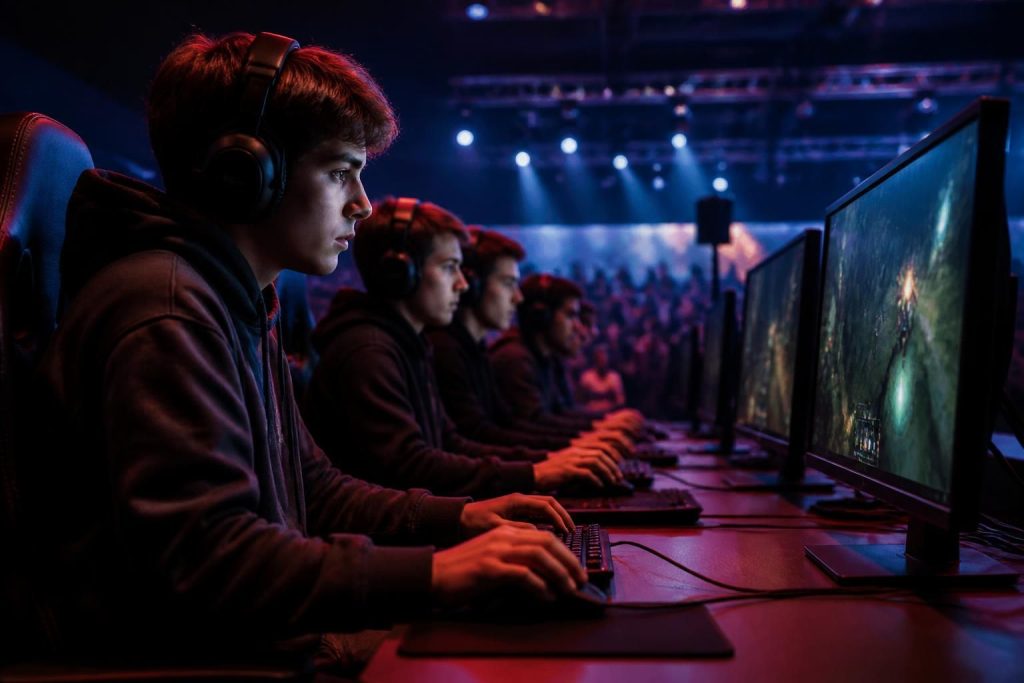
Esports as a career has emerged as a viable and attractive option for many gaming enthusiasts, offering multiple avenues for employment and professional growth. With the global gaming industry now valued at over $200 billion, opportunities within esports have broadened significantly, encompassing roles beyond just professional gaming. This article explores the various career paths in esports, the skills required, potential challenges, and the overall landscape for those considering a career in this dynamic field.
Understanding Career Paths in Esports
When discussing esports as a career, it is essential to recognize the diverse roles available within the industry. While many may initially think of professional gamers, the esports ecosystem is much more extensive, including careers in coaching, event management, broadcasting, content creation, and marketing.
Professional Players
At the forefront of esports as a career are professional players, who compete in various tournaments and leagues. Success in this arena typically requires exceptional skill, dedication, and often a rigorous training schedule. Many professional gamers join teams that support them with coaching staff, training facilities, and sponsorship deals.
Coaching and Management
As the esports scene matures, the demand for coaches and team managers has increased. Coaches are responsible for developing strategies, analyzing gameplay, and improving players’ performance. They often come from a background in competitive gaming themselves and must have a deep understanding of the game mechanics.
Content Creation and Streaming
Content creators play a crucial role in promoting esports and engaging with fans. Many individuals in the industry turn to platforms like Twitch or YouTube to showcase their gameplay, offer tutorials, or share their thoughts on the gaming community. Successful content creators often have substantial follower bases, which can lead to partnerships and sponsorships, making it a lucrative career path.
The Skills Required for a Career in Esports
Esports as a career demands a unique combination of skills that vary depending on the chosen path. However, several core competencies are universally beneficial across different roles.
Game Knowledge and Competitiveness
A comprehensive understanding of the games involved is fundamental. Whether you are a player or a coach, being well-versed in game mechanics, strategies, and the current meta is essential. This knowledge helps in making tactical decisions and developing effective strategies.
Communication and Teamwork
Strong communication skills are vital, particularly for players and coaches. As esports often involves team-based gameplay, being able to communicate strategies and collaborate effectively with teammates is crucial for success. Additionally, content creators must engage their audience, making communication a primary skill across the industry.
Adaptability and Continuous Learning
The gaming landscape is constantly evolving, with frequent updates and new trends emerging. Successful individuals in esports as a career must be adaptable and willing to learn continuously. This adaptability not only pertains to gameplay but also to marketing strategies and content creation methodologies. For more on this topic, see เว็บสล็อต.
Challenges in the Esports Landscape
While there are numerous opportunities within esports, pursuing a career in this field is not without its challenges. Understanding these hurdles is essential for anyone looking to join this competitive arena.
Job Stability and Longevity
One of the significant challenges in esports as a career is job stability. The nature of professional gaming, where player careers can be relatively short-lived, poses risks for those relying solely on competitive play. Many players transition to coaching or content creation after their playing careers end, but the shift can be daunting and requires planning.
Health Concerns
Another challenge facing esports professionals is the potential for health issues, including physical and mental health concerns. Long hours of gaming can lead to repetitive strain injuries, while the pressure to perform can contribute to stress and anxiety. As a result, many organizations are beginning to prioritize player wellness and provide resources to support mental health.
Market Saturation
As the popularity of esports grows, so does competition for roles within the industry. Many individuals aspire to pursue careers as professional players or content creators, leading to an oversaturated market. Standing out requires not only talent but also a unique personal brand and consistent engagement with the community.
The Future of Esports Careers
The growth trajectory of esports suggests a promising future for those considering a career in this field. With increasing investment from both the private sector and traditional sports organizations, opportunities are expected to expand further. Innovations in technology and the rise of virtual reality gaming also present new avenues for career development.
To succeed in this evolving landscape, aspiring individuals should cultivate a robust professional network, stay updated on industry trends, and develop transferable skills. For many, pursuing esports as a career offers an exciting alternative to traditional job paths, combining passion for gaming with professional growth.
Conclusion
Esports as a career presents a myriad of opportunities and challenges that aspiring professionals must navigate effectively. Whether one aims to become a competitive player, a coach, or a content creator, understanding the diverse career paths, required skills, and potential obstacles is essential. As the esports industry continues to evolve, those who adapt and innovate will find their place in this dynamic and rewarding field.